
AI Infrastructure in Emerging Markets Starts with Power, Not Compute
A data center is a power project with servers attached. Governments that sequence electricity, cooling, connectivity and data policy before compute get built; the others get announced.
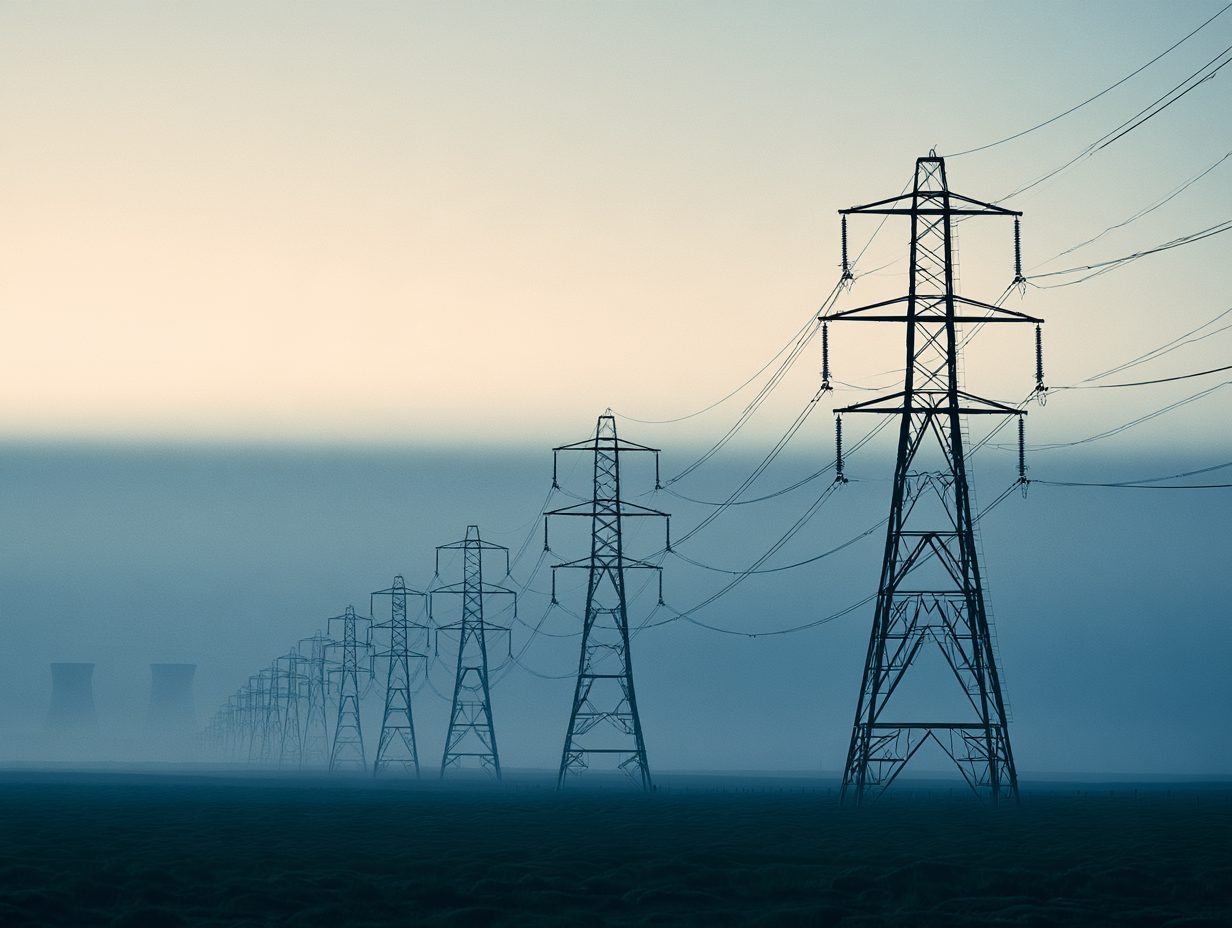
Every few weeks a government somewhere announces a national AI data center. Most of these announcements are sincere. Few of them describe where the electricity will come from, and that is the detail that decides whether the servers ever arrive. Modern AI compute is dense, continuous and intolerant of interruption. It needs firm power, not average power, and it needs it before the first rack is ordered.
The sequence that works
Firm power first. That usually means a dedicated generation and storage solution, or a grid connection with contractual priority, sized for the eventual load rather than the first phase. Cooling second: climate, water availability and the choice between air and liquid cooling change both capital cost and site selection. Connectivity third: international fiber capacity and domestic backhaul determine whether the facility can serve anyone beyond its own city. Data policy fourth: rules on residency, sovereignty and cross-border transfer decide which customers are allowed to use the facility at all. Compute comes last, and by then it is the easiest part to procure.
Sovereign clusters versus hyperscale
Not every country needs a hyperscale campus. For many governments the more useful first step is a sovereign cluster: a modest, well-powered facility that hosts national data, runs AI agents for public institutions and gives local developers capacity they can reach without leaving the jurisdiction. It is financeable, it builds operating experience, and it creates the demand that a larger facility can later be sized against.
What institutions can do now
Institutional AI does not wait for local hyperscale. Ministries, agencies and diplomatic missions can adopt AI agents inside real workflows today, with data handled under clear rules, while the physical infrastructure is sequenced properly. The two tracks reinforce each other: the workflows generate the demand and the data governance experience that a national facility will need.
Where H&N sits
H&N connects governments with Asian technology providers, EPC contractors and the infrastructure and development finance that pay for power-linked digital projects. Our own H&N AI workspaces for government users are built on the same principle: start with what an institution can use tomorrow, and let infrastructure follow demand.